Executive Summary
• Specialty generics can expand access and affordability by increasing competition and providing additional treatment options for complex and costly diseases.
• Bringing specialty generics to market requires overcoming unique challenges, including complex manufacturing, regulatory requirements, and maintaining a reliable supply.
• As specialty therapies continue to grow, specialty generics will play an increasingly important role in supporting competition, access, and affordability across the healthcare system.
Expanding Access to Specialty Therapies

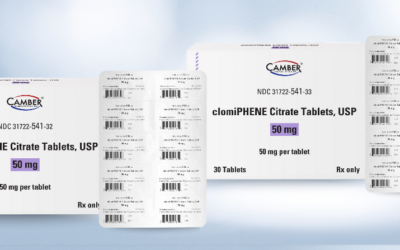
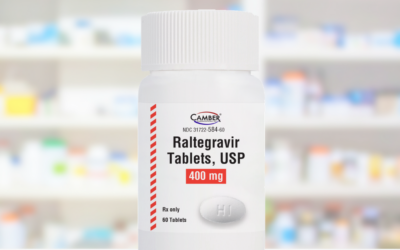
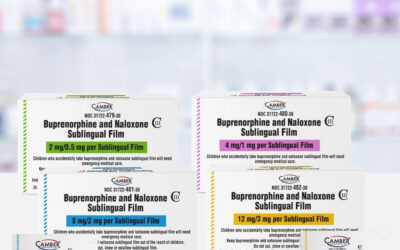
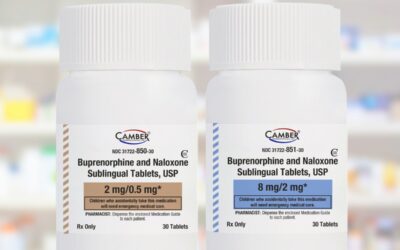
As specialty therapies become more prevalent, the role of generic competition is gaining greater attention. In this article, specialty generics refers to generic versions of non-biologic medicines used in specialty care, including injectable and oral therapies. Biosimilars, which are alternatives to biologic medicines, follow a separate regulatory pathway. At Camber Specialty, our growing specialty generics portfolio focuses on injectables and oncology therapies used in hospitals and specialty care settings.
Specialty medicines continue to play an increasingly important role in the United States (U.S.) healthcare system, particularly as treatments for complex and chronic conditions expand. While specialty medicines represent a relatively small share of prescriptions, they account for a significant portion of pharmaceutical spending. According to IQVIA, specialty medicines represented approximately $262 billion, or 53%, of U.S. branded medicine net sales in 2024. [1] These specialty generics can provide additional treatment options after the loss of market exclusivity for a branded product and can potentially improve affordability and expanded access to therapies that can otherwise carry significant costs.
“Specialty generics have become increasingly important for providers as they increase the therapy options for patients who may not have had access to them due to their high cost or limitations related to insurance coverage and reimbursement,” said Tom DeStefano, Vice President of Specialty Sales.
Competition and the Cost of Care
Generic competition can also have broader implications for the healthcare system. Research by the U.S. Food and Drug Administration (FDA) has found that generic prices generally decline as additional competitors enter the market, making competition an important mechanism for reducing medication costs. [2]
For specialty medicines, however, creating that competition can be more complicated. Unlike many traditional generics, specialty products may involve complex formulations, delivery systems, and manufacturing processes as well as active ingredients. The FDA recognizes these complexities as barriers that can make certain products more difficult to develop and that can limit the number of manufacturers entering a market. [3]
Camber Specialty’s recent launch of Sugammadex Injection, generic for Bridion®, illustrates the expansion of our injectable portfolio. The availability of generic injectables like Sugammadex can help expand access to treatment options while supporting cost considerations for healthcare providers and institutions. Sugammadex Injection is indicated for the reversal of neuromuscular blockade induced by rocuronium bromide and vecuronium bromide in adult and pediatric patients 2 years of age and older after undergoing surgery. It gives hospital purchasing teams another product to evaluate alongside their existing options. The potential value of generic entry depends on each institution’s pricing, purchasing agreements, and supply requirements. [4]
Navigating Development and Supply Challenges

Specialized manufacturing capabilities, regulatory requirements, and supply chain considerations can all influence the availability of specialty generics. These challenges extend beyond development. For manufacturers, maintaining a reliable supply can be just as important as successfully bringing a product to market.
“Specialty generics sit at the intersection of clinical necessity and cost control,” said Gary Doucette, Sr. Director, Sales and National Accounts. “That is why they are drawing increasing attention from manufacturers, payers and policymakers alike.”
The path from regulatory approval to patient access also involves factors such as reimbursement, formulary decisions, contracting, and provider adoption. As a result, the impact of specialty generics depends not only on manufacturers entering the market, but also on how effectively the broader healthcare system incorporates those products into patient care. For providers and purchasing teams evaluating a new specialty generic, acquisition price is just one consideration. Payer coverage, reimbursement, contract terms, product availability, and the manufacturer’s ability to maintain supply can also affect whether an alternative fits the organization’s needs.
Looking Ahead
Specialty generics are likely to remain an important part of discussions surrounding pharmaceutical affordability and access. As specialty therapies continue to expand across areas such as oncology, ophthalmology, and other complex disease states, opportunities for generic competition will also grow.
At the same time, the industry will need to balance affordability with the investments required to develop complex products and maintain reliable supply. The continued evolution of specialty generics will therefore depend on collaboration across manufacturers, providers, payers, distributors, and other healthcare stakeholders.
Camber Specialty continues to assess market needs and develop its pipeline while focusing on therapies where additional generic options can benefit patients and healthcare partners. Our specialty team can help customers evaluate available products and discuss purchasing and supply considerations as the portfolio of specialty medicines grows.
The growing importance of specialty generics ultimately reflects a broader shift in healthcare toward ensuring that innovative and complex therapies are not only available, but accessible and sustainable for the patients and healthcare systems that rely on them.
Sources
[1] IQVIA: U.S. Life Sciences Industry Thrives with Robust Growth and Innovation; October 29, 2026
[2] FDA: Generic Competition and Drug Prices; November 17, 2025
[3] FDA: FDA Drug Competition Action Plan; August 17, 2026
[4] Office of the Assistant Secretary for Planning and Evaluation (ASPE): Policy Considerations to Prevent Drug Shortages and Mitigate Supply Chain Vulnerabilities in the United States; April 2, 2024.